
The Ultimate Guide to Choosing the Right 4x4 Tire (And the Secret to Keeping Them Smooth)
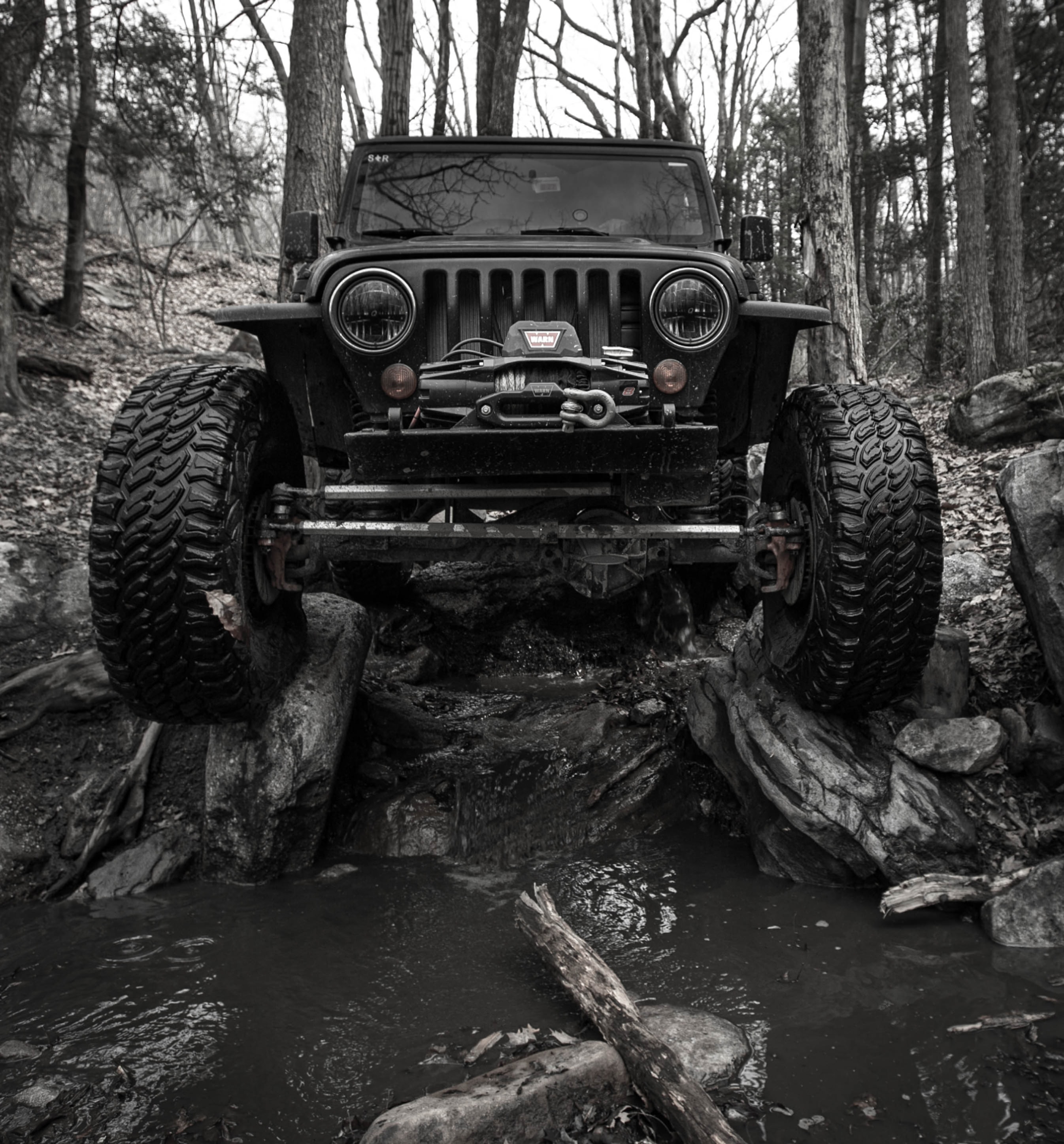
When it comes to building a reliable off-road rig, no single modification impacts your ride quality, capability, and safety more than your tires. They are the literal grounding point between your truck and the trail.
But walking into a shop or browsing online can be overwhelming. Mud Terrains? All-Terrains? Rugged Terrains? And once you pick a tread, how do you make sure your steering wheel doesn't shake like crazy when you hit 65 MPH on the highway?
Here is a breakdown of how to choose the right rubber for your rig, and the crucial installation step that most shops skip.
Step 1: Match the Tread to Your Lifestyle
Be honest about where your truck actually spends its time. Choosing a tire is all about balancing off-road traction with on-road manners. Because most rigs serve double duty as daily commuters and weekend explorers, we highly recommend looking closely at the All-Terrain category.
1. All-Terrain (A/T) – The Smart, Do-It-All Solution (Our Top Recommendation)
For 90% of the builds that roll out of our shop, a premium All-Terrain tire is the absolute best bet. Modern A/T tech has advanced so much that you no longer have to sacrifice off-road capability to get a smooth ride. If your rig is a daily driver but you spend your free time hitting fire roads, beach camping, handling winter weather, or exploring light trails, this is your tire.

The Look & Feel: Features optimized, interlocking tread blocks that look aggressive
but run incredibly smooth.
The Pros: Whisper-quiet on the highway, exceptional tread life, and unmatched traction on wet, icy, or snowy pavement. They keep your daily drive comfortable while giving you total confidence the second you leave the asphalt.
The Cons: Designed for versatility, so they can pack up with thick, clay-like mud if you're deep in the bogs.
2. Rugged Terrain (R/T) – The Heavy-Duty Hybrid
The "Hybrid" tire is a fantastic option if you love the aggressive look of a mud tire but still want the road manners of an A/T. It combines a tighter center tread block for a quieter highway ride with chunky shoulder lugs for extra bite on the trail.
The Look & Feel: A beefier, deep-grooved tread design with aggressive sidewall styling.
The Pros: Excellent trail capability, great puncture resistance, and significantly less highway hum than a traditional mud tire.
The Cons: Slightly heavier than a standard A/T, which can minorly impact fuel economy.
3. Mud Terrain (M/T) – The Niche Trail Warrior
Unless your rig is a dedicated weekend toy or a purpose-built trail warrior tackling deep, sloppy mud, jagged rock gardens, and steep climbs, an M/T is usually overkill for a truck that spends significant time on the street.
The Look & Feel: Deep, wide-open voids with massive sidewall cleats.
The Pros: Unmatched traction in sloppy, deep mud and heavy terrain; highly puncture-resistant.
The Cons: Loud and droning on the highway, rougher overall ride quality, and quicker tread wear on hot asphalt.
Step 2: Why Big Tires Need Perfect Balance
You’ve picked your tires, matched them to a killer set of wheels, and you're ready to roll. But here’s where a lot of builds go wrong: Balancing.
Off-road tires are heavy. They have massive tread blocks, reinforced sidewalls, and a lot of thick rubber. Because of their sheer size and weight, even a tiny manufacturing variation or a fraction of an ounce of uneven weight distribution will cause a massive vibration.
If your tires aren't balanced perfectly, you will experience:
Steering Wheel Shimmy: That exhausting vibration in your hands at highway speeds.
Premature Wear: Cup-shaped wear patterns that ruin your expensive new tires thousands of miles early.
Suspension Damage: Continuous vibration puts brutal stress on your tie rods, ball joints, and control arm bushings.
Step 3: The Hardline 4x4 Difference – Road Force Balancing
Standard spin balancers work fine for a stock commuter car, but they just don't cut it for heavy-duty 33s, 35s, or 37s. A standard machine spins the tire in the air and tells the technician where to stick a weight. It completely ignores how the tire behaves when it actually bears the weight of your truck.
At Hardline 4x4, we don't guess. We utilize a state-of-the-art Road Force Balancer.
How Road Force Balancing Works:
Our machine applies a heavy load roller directly against the tread of the spinning tire, simulating up to 1,250 pounds of road pressure.

Finds Hard and Soft Spots: It measures the uniformity of the rubber. Even a perfectly round tire can have a "stiff" spot in the sidewall that acts like a speed bump every time it rotates.
Match-Mounting: If the machine detects an imperfection, it tells us exactly how to rotate the tire on the wheel to line up the high spot of the tire with the low spot of the rim.
This process eliminates vibrations that traditional balancing methods leave behind. It is the only way to ensure your lifted truck or built Jeep tracks straight, smooth, and vibration-free at 70 MPH.
Ready to Elevate Your Ride?
Don't drop thousands on a suspension and tire setup just to tolerate a shaking steering wheel. Let’s match the perfect tire to your driving style and lock down a flawless ride quality.
Stop by the shop or send us a message today to get a custom tire and wheel estimate for your build!
Comments